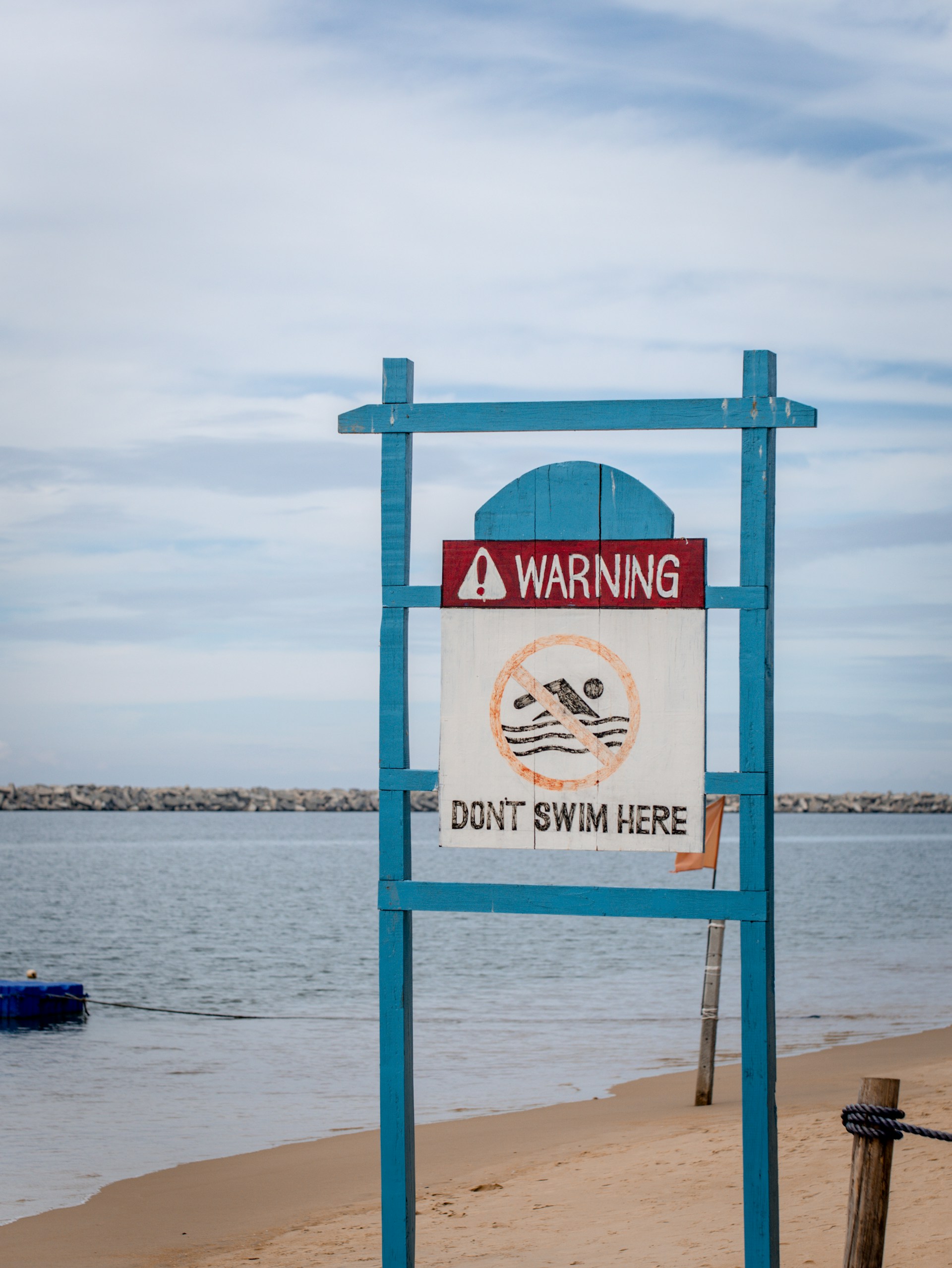
MALIBU— On March 12, the County of Los Angeles issued a public health warning regarding the bacteria levels in area beaches. These warnings are issued because recent water samples showed bacterial levels exceeding health standards, which may increase the risk of illness.
“The Los Angeles County Department of Public Health (LACDPH) advises the public to avoid swimming, surfing, and playing in ocean waters at the following Los Angeles County beaches due to elevated bacteria levels that exceed state health standards,” states the LACDPH website.
BEACH AREA WARNINGS:
The warning applies to the following locations:
-Malibu Lagoon at Surfrider Beach
-Leo Carrillo State Beach in Malibu
100 yards up and down the coast from the public restrooms.
Pulgas-Creek storm drain at Will Rogers State Beach-Will Rogers Tower 5 is on drain
-Castlerock Storm Drain at Topanga County Beach
-Marie Canyon Storm Drain at Puerco Beach
100 yards up and down the coast from the storm drain.
-Escondido Creek at Escondido State Beach
100 yards up and down the coast from the creek.
-Mother’s Beach in Marina Del Rey
Entire swimming area.
Santa Monica Canyon Creek at Will Rogers State Beach. Near Will Rogers Tower 18
100 yards up and down the coast from the creek.
Santa Monica Pier in Santa Monica
100 yards up and down the coast from the pier.
BEACH AREAS NOW CLEARED:
Warnings have been lifted for the following beach areas where recent sample results identified water quality levels within State standards:
Pico-Kenter storm drains at Santa Monica Beach. Santa Monica South Tower 20
“Initial signs of illness were observed in seal pups on February 19–20, when researchers noted weakness, tremors, seizures, abnormal neurological behavior and sudden death in some animals. Samples collected from sick and deceased pups tested positive for influenza A and were subsequently confirmed as H5N1 by the USDA National Veterinary Services Laboratories,” stated the LACDPH on March 6 in relation to sick sea lions.