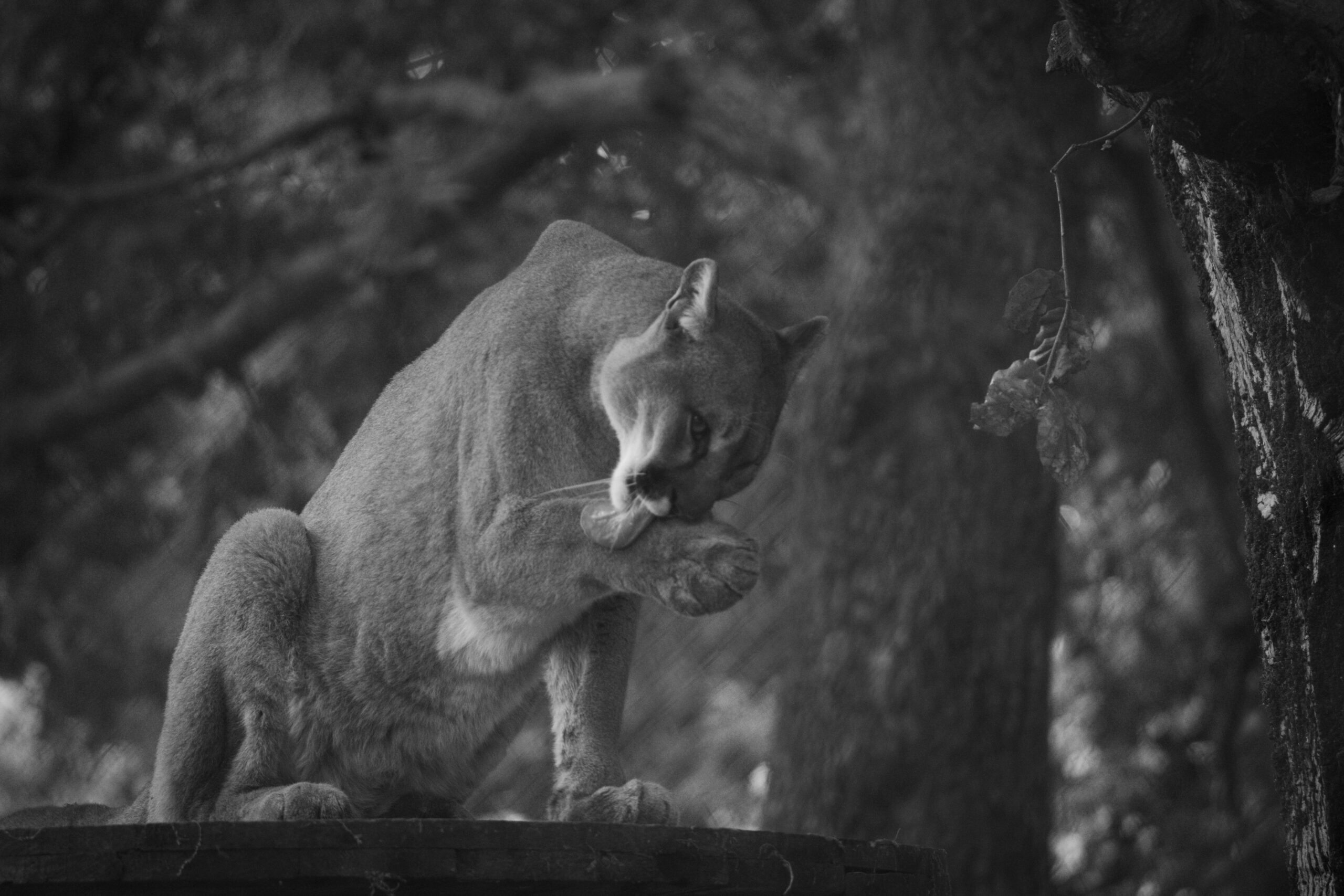
STUDIO CITY—On August 8, at approximately 2:30 a.m., a Studio City resident reported a rather large mountain lion in his driveway. Chad Landers, who has reportedly lived in the area for at least 25 years, notified the California Department of Fish and Wildlife (CDFW) of the mountain lion’s presence.
Landers, who is a power lifter, personal trainer, and author of Building Strength and Muscle After 50, shared video captured on his ring camera. He woke up in the middle of the night and checked the pictures on his Ring security camera.
He noted that the camera captured footage of a raccoon, a coyote, and what he initially thought was a bobcat that he posted on social media.
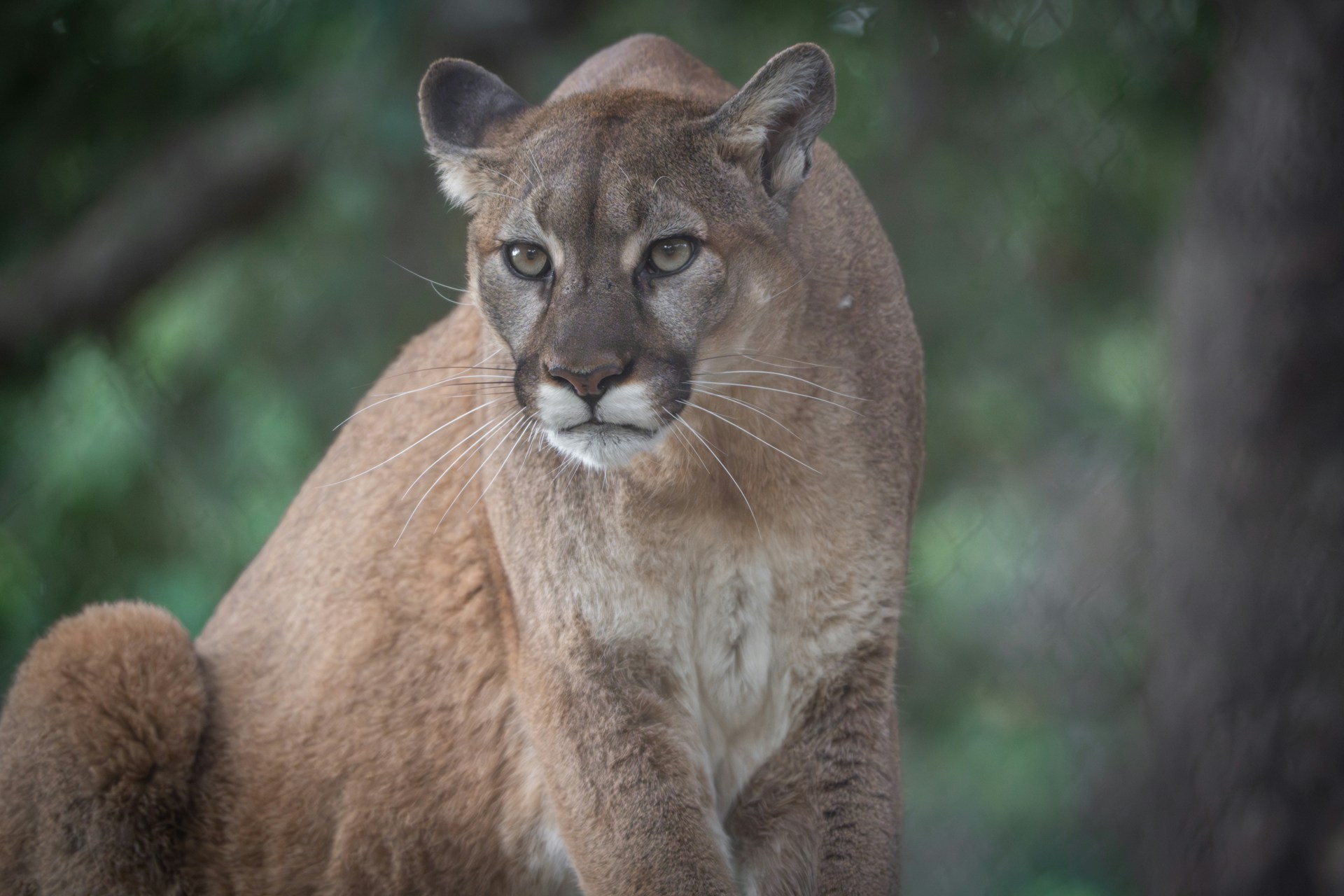
“But, I’m like, that looks awfully big to be a bobcat. So, then when it came into focus on a different camera, I was like, holy crap, that’s a mountain lion. It was so massive. My Tahoe is a pretty big vehicle, and when you see the cat up against that, you’re like, okay, this thing is huge,” said Landers.
He indicated the reason he notified wildlife authorities was more out of concern for the mountain lion’s safety. He lives on a busy street near Ventura Boulevard and didn’t want him to get hit by a car.
This is the second mountain lion sighting recently. On Friday, August 7, a mountain lion was spotted in northern San Dimas, roaming along Foothill Avenue between San Dimas Avenue and San Dimas Canyon Road. In this instance, the mountain lion was tranquilized.
Wildlife authorities indicated that the mountain lion found in the San Dimas area was a female with external injuries. According to the CDFW, she was transported to a veterinarian for an evaluation to determine the extent of her injuries.
“Mountain lions (Puma concolor couguar), also known as puma, cougar, or panther, are native to California and the second largest felid in North and South America. They have the largest range of any carnivore in North America, ranging from the Canadian Yukon to southern Chile. They inhabit diverse habitat types throughout the state, including forests and foothills, coastal, rural, and wildlife-urban interfaces. They are reclusive and solitary animals, mostly avoiding people when possible. Mountain lions provide many ecosystem benefits by helping to maintain healthy prey populations. They will hunt deer and elk, invasive species such as wild pigs and feral horses, and smaller animals such as coyotes, raccoons, and rodents. Potential conflict with mountain lions may occur due to property damage and loss of livestock or pets while hunting. Feeding other wildlife, such as deer, may attract mountain lions,” stated the CDFW website.