UNITED STATES—Arboriculture becomes more of a concern at this time of year. Although winter is a month away, the weather is becoming increasingly stormy. Wind and rain can dislodge limbs or destabilize entire trees. Some trees may benefit from winterization prior to even stormier weather in the future. Some may need the specialized services of professional arborists.
Dormant pruning of deciduous fruit trees is, incidentally, not the same as winterization. It happens later in winter, after the subjects have been dormant for a while longer. Besides, after proper dormant pruning last year, they should not need winterization now. However, if subjects are defoliated, they should not mind early pruning. They are already dormant.
Ironically, the trees that are more likely to require winterization are evergreen. Deciduous species perform almost all of their own winterization naturally. They defoliate to eliminate most of their resistance to wintry winds. In other words, they become more aerodynamic. Defoliation also eliminates most of the surface area to accumulate heavy water from rain.
Defoliation is a natural winterization technique.
Evergreen species are generally more resilient to wind than foliated deciduous species. However, as deciduous species defoliate, evergreen species can not. Evergreen foliage therefore becomes less aerodynamic and more vulnerable to wind. Also, it absorbs more heavy rainwater. The added weight of rainwater causes limbs to sag and perhaps break.
Rain does more than cause foliage to become heavier. It also saturates soils, which can potentially compromise root stability. The timing could not be worse, since wind typically accompanies rain. This is also more of a problem for evergreen species than deciduous species. However, some storms arrive early, and some deciduous species defoliate late.
Winterization pruning is as variable as the trees that benefit from it. Large trees will likely need specialized services that only arborists can provide. Japanese maples may require only minor clipping of stems that have extended too far. Many trees require nothing at all. Ultimately, such techniques should help limbs and trees survive eventual wintry weather.
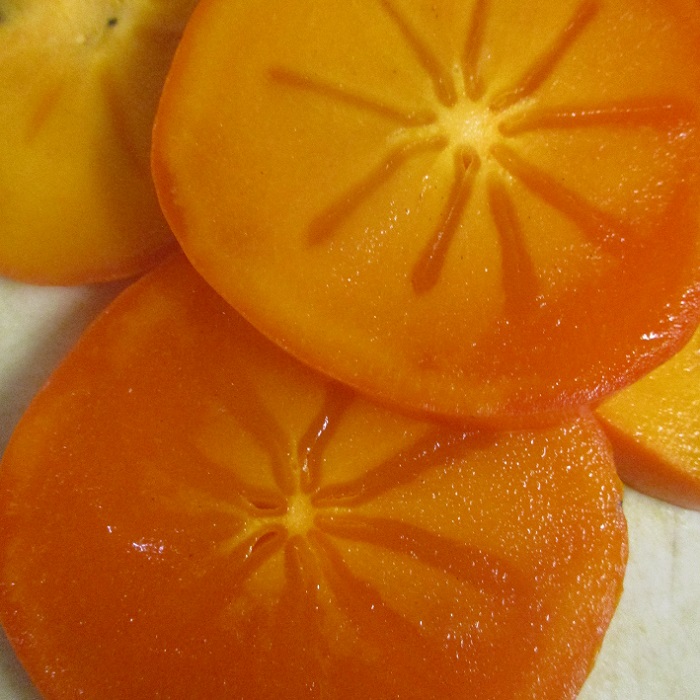
Highlight: Persimmon
It lacks the spectacular spring bloom of the other deciduous fruit trees, but compensates. Persimmon, Diospyros kaki, performs double duty with fall color. Its autumn foliar color is impressively fiery orange. Then, it defoliates to reveal plump, abundant and comparably fiery orange fruit. So, it is spectacular with both autumn foliar color and autumn fruit color.
Persimmon trees are tempting. Some cultivars can grow 20 feet tall to become small or even mid sized shade trees. However, if they do so, much of their overly abundant fruit is unreachable. Aggressive and strategic pruning limits their production with most of their fruit in reach. Although undemanding otherwise, this major dormant pruning is important.
Persimmons are self fruitful without a pollinator. However, they supposedly provide more fruit of better quality with another cultivar. Fruit is unfortunately inedible before thoroughly ripe, but then all ripens simultaneously. That is an incentive to share with neighbors and friends. With a bit of effort, fruit is conducive to drying and freezing, although not canning. Ripe fruit is very perishable.