UNITED STATES—Health is no longer viewed as a destination to reach and then forget. In modern lifestyle thinking, it is understood as a continuous process shaped by daily decisions, environments, and habits. Rather than dramatic transformations, sustainable health comes from systems that quietly support the body and mind over time.
One of the most important shifts in health culture is the move away from extremes. Overtraining, restrictive diets, and constant self-optimization have proven unsustainable for most people. Today, health is about balance — finding routines that can be maintained without creating additional stress. The goal is resilience, not perfection.
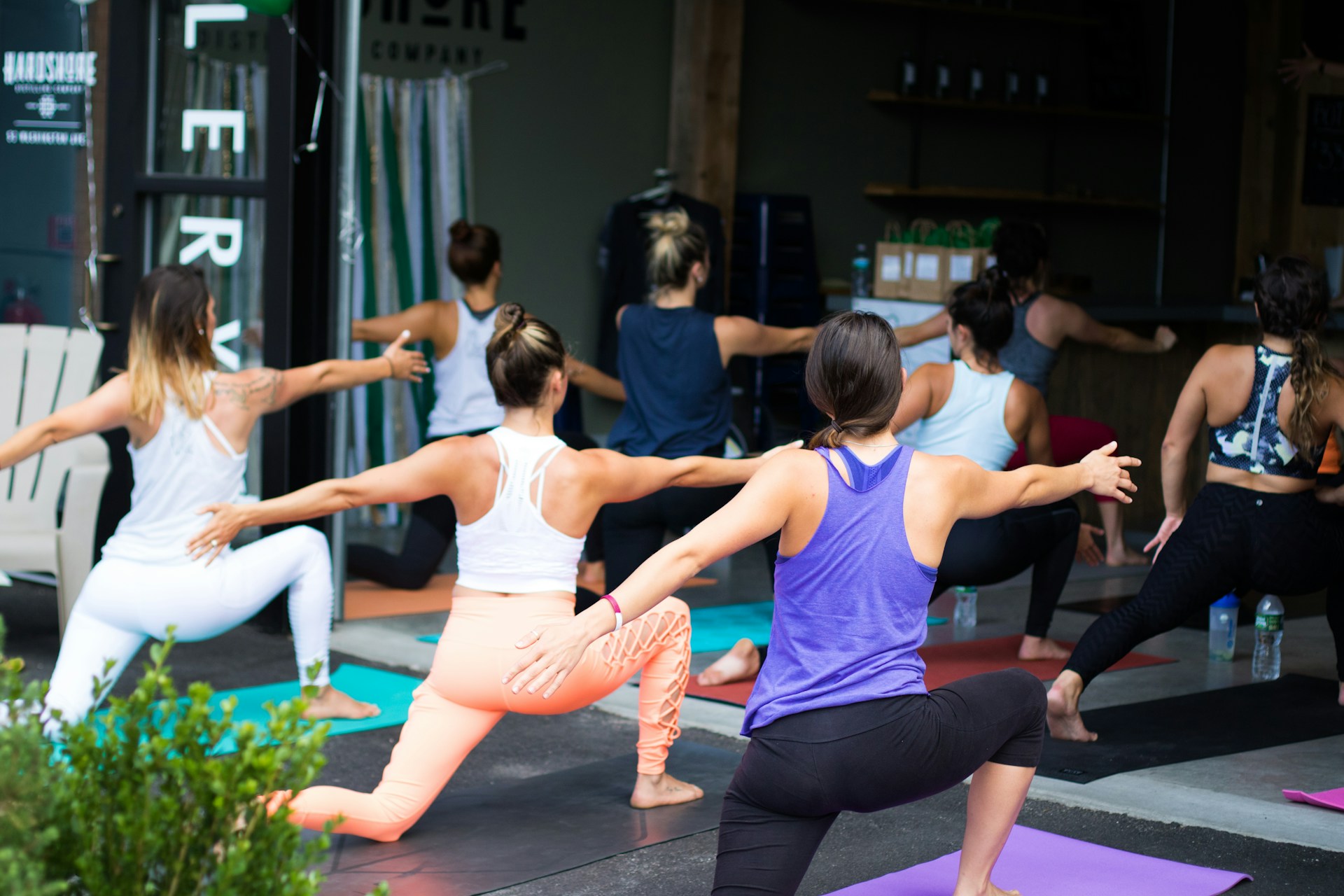
Physical health starts with consistency. Regular movement, even in modest amounts, has a stronger long-term impact than sporadic intensity. Walking, stretching, mobility work, and strength training all contribute to joint health, circulation, and energy levels. Movement is no longer treated as punishment or obligation, but as maintenance for the body.
Nutrition has followed a similar evolution. Instead of rigid food rules, people are focusing on awareness and quality. Balanced meals, whole ingredients, and predictable eating patterns help stabilize energy and mood. Enjoyment is no longer excluded from healthy eating — it is integrated thoughtfully, without guilt or excess.
Mental health is now recognized as inseparable from physical well-being. Chronic stress, emotional overload, and lack of rest directly affect immunity, digestion, and recovery. A healthy lifestyle therefore includes stress regulation as a core practice. This can take many forms: breathing exercises, journaling, quiet walks, or simply protecting downtime.
Sleep has emerged as one of the strongest health indicators. Poor sleep affects hormones, focus, emotional regulation, and physical recovery. Modern health-focused lifestyles prioritize sleep quality through consistent schedules, reduced evening stimulation, and supportive environments. Sleep is no longer negotiable — it is foundational.
Technology plays a dual role in health. On one hand, constant connectivity can increase stress and fatigue. On the other hand, intentional use of technology supports awareness and accountability. Wearables, health apps, and reminders help track movement, rest, and habits without demanding perfection. The key is using technology as a guide, not a source of pressure.
Leisure choices also influence health more than many realize. Not all free-time activities allow recovery. Some distract without restoring energy. A health-conscious lifestyle favors leisure that supports nervous system balance. Reading, creative hobbies, music, and structured digital entertainment can all fit when approached with boundaries.
Even controlled stimulation has a place. When engagement is intentional and time-limited, excitement can be energizing rather than draining. For some, this includes occasional, conscious interaction with digital platforms associated with a casino, treated not as escape, but as brief entertainment within a balanced routine.
Social health is another essential layer. Supportive relationships improve emotional stability and reduce stress. Meaningful conversations, trust, and shared experiences strengthen overall well-being. Modern health-oriented lifestyles emphasize quality of connection over quantity of interaction.
Environment design quietly supports health as well. Natural light, fresh air, clean spaces, and reduced clutter lower cognitive load and stress. Small environmental adjustments can significantly improve mood and energy without requiring additional effort. Health becomes easier when the environment works with, not against, the individual.
Importantly, modern health thinking embraces flexibility. There is no universal routine that fits everyone. Bodies respond differently to food, movement, and stress. A healthy lifestyle is adaptive — observing signals, adjusting habits, and responding with curiosity rather than judgment.
Recovery is no longer seen as inactivity. Stretching, gentle movement, quality sleep, and mental rest are active processes that restore capacity. Without recovery, even the best habits lose effectiveness. Health depends on the balance between effort and restoration.
Mindset also plays a role. Perfectionism and constant comparison undermine health by creating internal pressure. Sustainable health supports self-compassion and realistic expectations. Progress happens gradually, through repetition rather than intensity.
Over time, health becomes less about effort and more about design. Days are structured to support energy. Choices become automatic rather than forced. Stress decreases not because life becomes easier, but because resilience increases.
A health-focused lifestyle does not eliminate pleasure, challenge, or stimulation. It integrates them intelligently. Enjoyment exists alongside discipline. Rest exists alongside ambition. Balance replaces extremes.
In this modern view, health is not something to chase. It is something to maintain. Built quietly, supported daily, and protected intentionally, it becomes the foundation for everything else — focus, performance, emotional stability, and long-term quality of life.
True health is not loud or dramatic.
It is steady, adaptable, and sustainable — designed into life, one ordinary day at a time.